




Game info
Tower defence, Strategy
Explore Plants vs. Zombies lawn defence, sun economy, plant roles and practical ways to prepare each lane for changing enemies and environments.
About Plants vs. Zombies
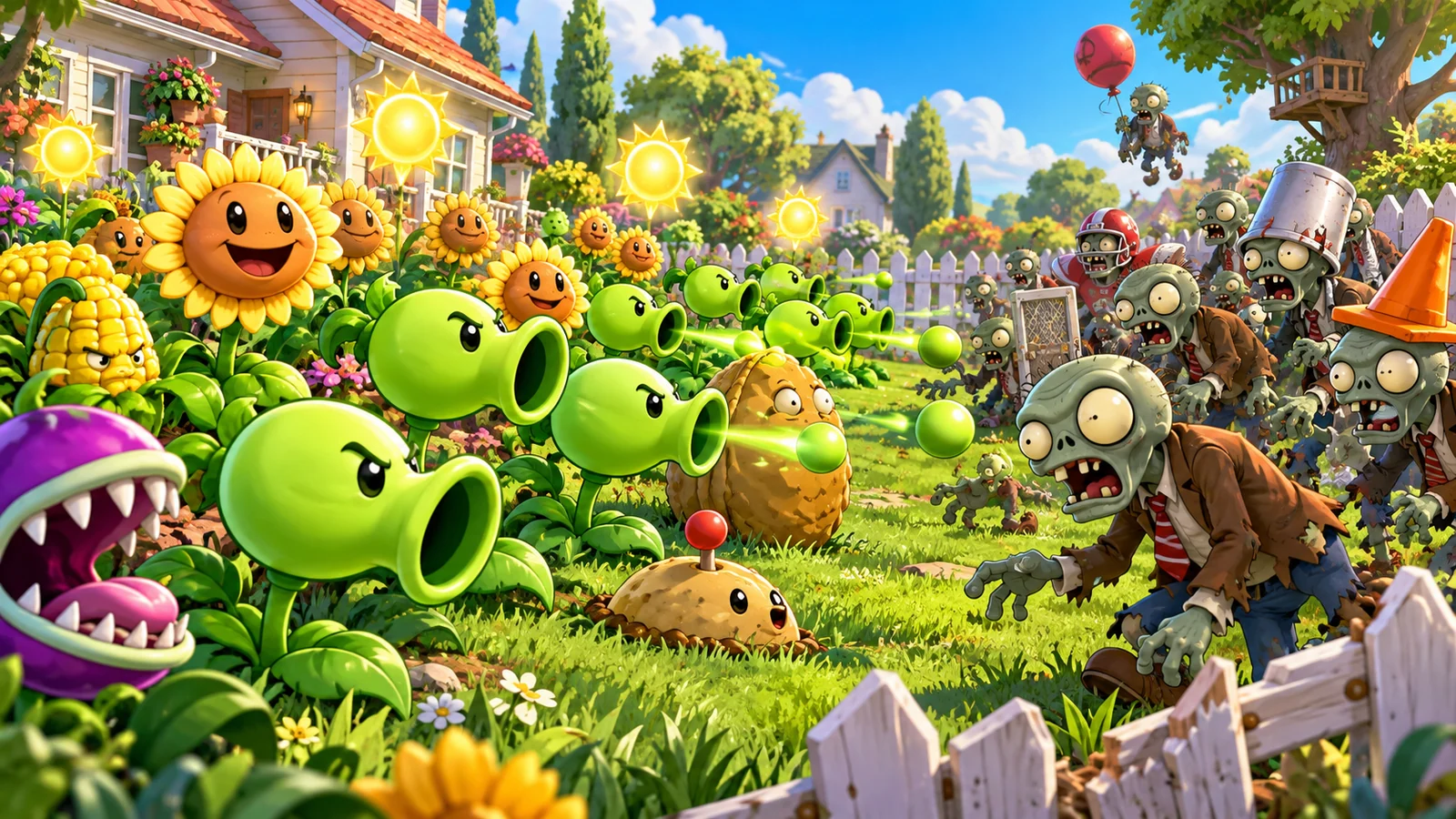
Plants vs. Zombies is PopCap's lawn-defence strategy game about stopping approaching zombies with a carefully chosen formation of plants. Collect sun, spend it on seed packets and defend each active lane before an enemy reaches the house. Every placement changes three things at once: your remaining budget, the time available in that row and the space left for later responses.
An extra attacker can solve an immediate threat, while another Sunflower can fund a stronger formation later. Your job is to judge which problem arrives first. The official EA Plants vs. Zombies page introduces the original game. Its enduring appeal comes from readable rules that create difficult trade-offs: build income or reinforce, delay a dangerous zombie or remove it, protect one row now or prepare the next wave. The sections below focus on those concrete lawn-planning decisions.
Gameplay Overview: How to Play
In the opening lawn defence, collect sun, choose an available seed packet and place the plant on a valid square. Watch which row receives the first zombie before spreading your resources across every lane. An attacker in an empty row contributes little to the immediate fight, while an undefended occupied row keeps getting more dangerous.
Build enough income to keep planting, then add damage where the next enemy will actually meet it. As the board fills, inspect the distance between a zombie and your vulnerable plants, not just the number of plants you own. A formation with a clear firing lane and time to work can be stronger than a crowded row assembled too late. Winning a stage depends on protecting the house through its waves, not on filling every square as quickly as possible.

Gameplay Overview: Controls
Use the pointer to collect visible sun and select a seed packet. Click the intended lawn square to place it. A successful placement depends on both the plant's cost and the packet being available; having enough sun does not remove a recharge delay. Terrain and occupied squares can also affect where a plant is allowed.
On a touch device, use accurate taps rather than swiping across several planting positions. Keep the resource counter, seed packets and lawn visible together so you can see why a selection succeeds or fails. If a plant does not appear, check those three parts of the screen before tapping again. Choose a display size that keeps the seed packets and lawn squares readable. An accurate placement preserves time and avoids putting a valuable plant into the wrong lane.
Gameplay Overview: Pro Tips
- Cover an active lane before adding damage to a quiet row.
- Keep collecting sun while watching the nearest zombie, not just the newest one.
- Check a packet's recharge before planning your next emergency placement.
- Use a defensive delay to buy meaningful firing or recharge time.
- Leave room for a response instead of filling the lawn without a plan.
For an early practice exercise, pause your own decision for a moment and identify the most urgent row. Name the reason: a zombie is close to an attacker, the existing damage is insufficient, or a key packet will not recharge in time. This turns general tower-defence advice into a specific next action on the current lawn.
Key Features
The original Plants vs. Zombies combines a fixed lawn grid with different plant jobs and recognisable enemy behaviours. Peashooters provide direct fire, sun producers support the economy and defensive plants create time for the rest of a row. EA's official Android listing describes the game's Adventure environments, Almanac and additional play features.
Those roles create interesting trade-offs even on a small board. Buying damage now can make a row secure but delay the next source of sun. Buying income first can pay off later but leave a narrow defence for the current wave. Neither choice is always correct. Look at what must survive until the following purchase, and build a lawn that can reach that point without losing its working plants.
Sun: Balance Income and Immediate Danger
Sun is your planting budget, but it is also a timing problem. An expensive card that you cannot afford until after a zombie reaches the house is not an immediate answer. Compare the next useful purchase with the time your current plants can buy. Sometimes a modest, affordable response preserves the row long enough to make a stronger purchase afterwards.
For example, consider a row with one attacker and an approaching tougher enemy. Spending all your sun on a distant income plant may leave that attacker exposed; spending everything on another attacker may secure the row but slow your next expansion. Estimate the current fight before choosing. Good economy play is not hoarding the largest possible total. It is keeping a steady route from collected sun to plants that make the next wave manageable.
Build a Formation Across the Whole Lawn
Think in rows before thinking in a decorative pattern. Each lane needs an answer to the enemies actually using it. A strong row on the left of the screen does not automatically protect another row, and a visually balanced lawn can still have one dangerous gap.
After a placement, scan the other lanes while the plant does its job. Look for a new zombie entering an empty route, an attacker about to be eaten, and a row whose defence depends on a packet that is still recharging. Avoid rebuilding one comfortable lane over and over while a weaker lane falls behind. When several rows are active, spread improvement according to danger and available time. The aim is a formation with no easy route to the house, not a single spectacular wall of plants.
Plants, Zombies and Their Different Roles
Plant roles are easier to remember as jobs: generate resources, deal damage, delay an enemy or handle a specific threat. Build combinations that let each job work. A delaying plant is valuable when something behind it can use the extra time; damage is valuable when the attacker has enough time and space to keep firing.
Use the same approach to zombies. Do not treat every visible enemy as an identical health bar. An enemy's equipment, movement or special action may change which part of your defence it pressures. When a new type appears, watch what it does before spending your entire budget on the same response used for the last wave. The lesson from a lost plant can be precise: it needed support, it was placed too far forward, or the row needed a different role.
Use the Almanac to Understand a New Enemy
The Almanac is the right place to inspect plant and zombie information between attempts. EA's description of the original app specifically points players towards it for understanding enemy abilities. Use that reference to answer one concrete question, such as why a familiar line of damage did not stop a particular enemy.
Then test the answer in your next formation. If an enemy's action changes how it approaches a defence, plan around that action rather than merely adding more of the same plant. Looking up a role is useful when it changes a placement or timing decision. It is less useful to memorise a long catalogue before the first lawn. Start with the plants available on your current seed tray and expand your understanding as new threats actually appear.
Advanced Tips: Recharge and Emergency Space
Recharge is a second budget alongside sun. A plant can be affordable and still unavailable at the instant you need it. Before committing your last flexible square, look at the seed tray and ask which response will be ready if the current defence fails.
Leave a useful planting position for that response. A crowded lawn can make an emergency difficult even when resources are available, because the square you wanted has been occupied by a less important plant. If you use a delaying option, judge the delay against the actual recovery you need: another volley of shots, enough sun for a purchase or a packet's remaining wait. A delay with no follow-up plan only postpones the same problem. A delay tied to a clear purchase can turn a collapsing row into a recoverable one.
Advanced Tips: Adapt to the Environment
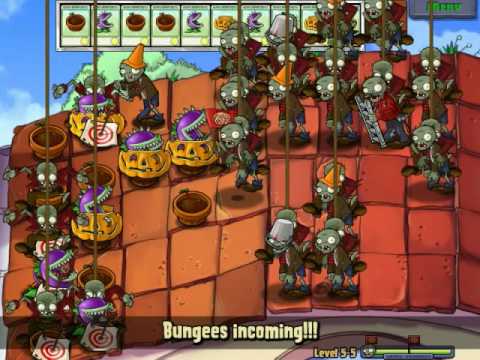
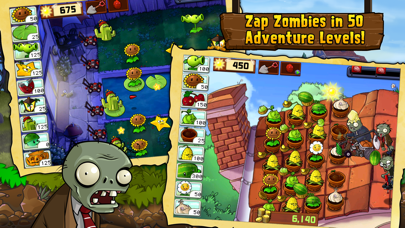
The full original game changes the problem through different environments, including night, water, fog and rooftop situations. Do not carry a lawn arrangement into a new setting purely because it worked before. Check the available planting surfaces, the seed choices and what you can see clearly.
The useful habit is to identify the rule that has changed before spending heavily. If the terrain limits placement, space becomes part of the budget. If visibility changes, leave yourself enough reaction time instead of depending on seeing a threat at the last second. A successful adaptation keeps the jobs your defence needs while finding a new way to perform them. It is more flexible than copying a fixed picture of a completed lawn whose assumptions may no longer match the stage.
Modes: Adventure, Survival and Puzzle Challenges
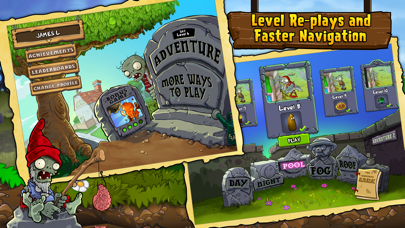
Adventure introduces the original Plants vs. Zombies through changing environments and enemy combinations. Survival asks whether a defence can remain effective over a longer series of waves. Mini-games and puzzle activities vary the usual routine, giving familiar plants and zombies a different role in the challenge. The official iOS product listing describes the game's available activities and release details.
Choose a practice goal that matches the activity. In a new Adventure environment, learn the terrain and the plants needed to use it. In a longer defence, think about replacement costs, reliable income and how the formation handles repeated pressure. A design that survives one wave through an emergency purchase may not be sustainable if the same weakness returns. Review what the lawn will need next, not just whether it survived the previous attack. This makes progression a test of planning rather than a requirement to copy one finished formation everywhere.
Advanced Tips: Prepare the Next Response
Plan your next two responses rather than only your next plant. After dealing with an urgent row, identify where you would spend the following packet or sun collection if another zombie appeared. This is especially helpful when several lanes are beginning to become active together.
Suppose your strongest attacker has just been planted and its packet is unavailable. Your next plan might rely on a cheaper attacker, a delay or strengthening another lane before pressure reaches it. That is a more realistic plan than expecting the same card to solve every row immediately. Recheck after each wave changes the situation. A tower-defence formation is a working system of income, space and time; it needs a sequence of affordable responses, not just an attractive final arrangement.
Similar Games
The related plant and zombie defence games are chosen for lane pressure, defensive placement and resource decisions. Farm vs Zombies and the plant-defence alternatives offer different layouts and enemies while keeping the central question of how to protect a vulnerable area.
Compare the controls and economy before applying a Plants vs. Zombies opening to another game. Some defence puzzles ask you to merge units, some use fixed routes, and others build pressure through waves on a wider map. Choose according to the part you enjoy most: arranging a lawn, balancing income, building a durable frontline or answering a new enemy. A close genre match can offer a fresh problem without pretending that its units and upgrades are interchangeable with PopCap's plants.
Browser games in this collection
- Farm vs Zombies — A defence game about planting mutant defences and gathering resources against undead attackers. It is a separate catalogue title, not an official Plants vs. Zombies port.
- Plant Merge: Zombie War — Plant Merge: Zombie War combines plant upgrades through merging with defence against zombie waves. Its strategic emphasis is building stronger botanical defenders and using abilities at useful moments.
- SWAT & Plants vs Zombies — SWAT & Plants vs Zombies mixes plant defenders with armed squad members. Its source describes dragging units onto a battlefield, upgrading them and managing plant cooldowns against advancing zombies.
- Flower Defense: Zombie Siege — Flower Defense: Zombie Siege is a separately hosted botanical defence game about stopping zombies with placed plant units. Its direct plant-and-undead setup is a closer theme and strategic fit for Plants vs.
- Ultimate Plants TD — Ultimate Plants TD is a browser plant-defence game listed in the source portal's Plants vs. Zombies collection.
- Chaotic Garden — Chaotic Garden uses garden defenders against approaching enemies in a lane-based strategy setting. Its placement-and-resource decisions are close to the plant-defence niche even though it has its own cast and visual theme.
History and Updates
Plants vs. Zombies was created by PopCap and is part of Electronic Arts' game catalogue. Its original lane-defence design built a strategy game from simple interactions: sun pays for plants, plants control lanes and different zombies test different parts of the formation. Use the official EA help service for installation, account and purchase questions, identifying the product and platform when requesting support.
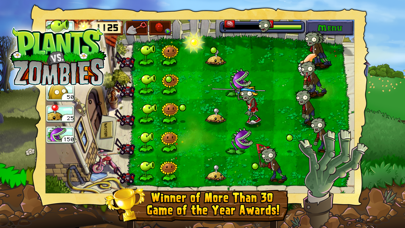
The video and screenshots below show the game's presentation, plant roles and lawn arrangements. Watch for the reason a formation works rather than treating a completed screenshot as a universal opening. A Wall-nut buys firing time; a Sunflower funds later responses; a second attacker changes how soon a dangerous target falls. Recognising those jobs makes a new environment easier to understand. Learn why a row survived, how much time a delay created and which purchase kept the economy moving, then apply that reasoning to the next challenge.
Plant With a Purpose
Begin a Plants vs. Zombies level by collecting sun and making the first placement for a reason. Decide which row needs damage, how long that attacker has to work and what you want to afford next. This turns the opening into a sequence you understand rather than a decorative arrangement copied without its timing.
As the wave develops, keep the resource counter, recharge and active threats in view together. If the next zombie will arrive before an expensive plant becomes affordable, choose a response that can act in time. If the lawn is stable, invest in the income and coverage needed for later pressure. A good defence is not merely a powerful final picture. It is a series of affordable, timely decisions that protects the route to that picture while leaving room for the unexpected.
Frequently asked questions
What is the goal in Plants vs. Zombies?
Defend the house by planting a formation that stops zombies in each active lane. Collect sun, spend it on suitable plants and adapt as enemy types and environments change.
How do I place a plant in Plants vs. Zombies?
Collect enough sun, select a seed packet that has finished recharging and choose a valid planting square. Check cost, recharge and terrain if a placement is not accepted.
Why can’t I plant when I have enough sun?
The seed packet may still be recharging, the square may already be occupied or the terrain may require a different planting arrangement. Sun is only one part of availability.
How should I balance Sunflowers and attacking plants?
Keep enough damage to survive the nearest threat while building income for later purchases. Compare the time a new Sunflower needs to repay its cost with the time before the active lane becomes dangerous.
How do I adapt Plants vs. Zombies strategy for a new environment?
Inspect the planting surfaces, available seed choices and enemy behaviour. Night, pool, fog and roof stages change how familiar plant roles need to be supplied and positioned.
What is the most useful Plants vs. Zombies beginner tip?
Protect the lane actually under threat and prepare the next affordable response. Sun, packet recharge, empty squares and the nearest zombie’s position determine whether that response can act in time.
Good game? Tell us.0
Share a tip, celebrate a high score, or tell us what you think. Keep it friendly.